Media Literacy Reimagined: What Actually Works?
Media literacy initiatives need to move beyond fact-checking and fear-based messaging if they are to remain effective in an increasingly complex information environment, participants concluded at the panel “Media Literacy Reimagined: What Actually Works?” held at the POINT 14 Conference.
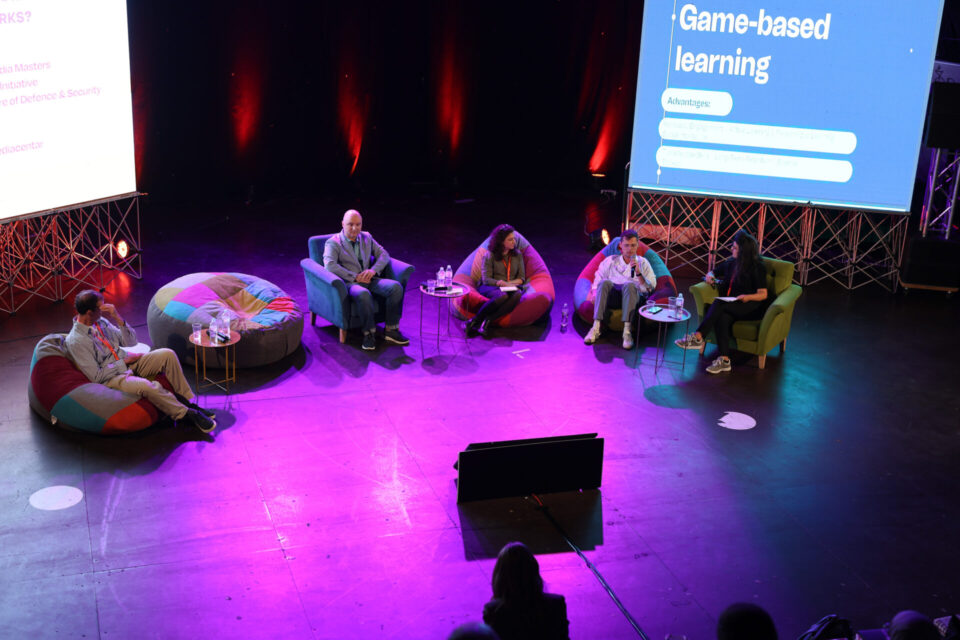
Moderated by Maja Ćalović of Mediacentar, the discussion brought together Jeremy Druker of Transitions, Soha Lemaître-El Jammal of Media Masters, Linas Skirius of the Civic Resilience Initiative, and Dmitri Teperik of Estonia’s National Centre of Defence and Security Awareness.
Although their approaches differed, panelists agreed on one central idea: media literacy can no longer be reduced to teaching people how to verify information. Instead, it must help citizens understand narratives, cope with information overload, engage with communities, and develop confidence in their ability to shape the future.
Several speakers highlighted the growing use of game-based learning as a more effective alternative to conventional workshops and lectures. Presenting the Media Masters’ project, implemented across 13 partner organizations from 9 European countries, Soha Lemaître-El Jammal explained that the initiative was designed in response to a common challenge: young people may be highly active online, but that does not necessarily make them media literate.
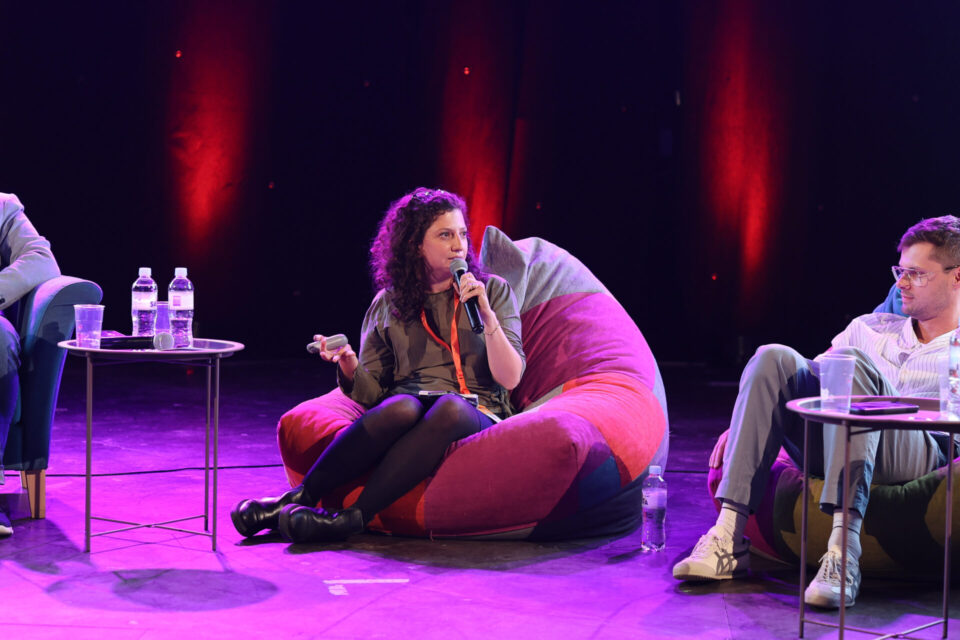
“Gen Z are very digital natives, but they are not media literate,” she said, explaining that young people frequently engage with content that provokes emotions such as fear, anger, or excitement, making them particularly vulnerable to misinformation. To address this, the project developed a board game and web application that expose players to realistic disinformation scenarios related to politics, culture, history, and current affairs. The goal is to help participants recognize manipulative content while remaining engaged through interactive learning.
Linas Skirius echoed the value of gamification, arguing that traditional educational formats often fail to capture attention. “We realized that the outcomes are really poor,” he said, referring to conventional seminars and lectures. “We couldn’t get the attention of our target group and we decided to step away from the traditional methods and enter the world of gaming”.
His organization has developed several projects, including a Minecraft-inspired game that teaches students source verification, fact-checking, critical thinking and argumentation skills. Another initiative combines outdoor “scavenger hunt” activities with media literacy training and interaction with NATO soldiers stationed in Lithuania. More recently, the organization launched an AI-powered educational platform in which a chatbot acts as a virtual teacher, guiding students through tasks without directly providing answers.
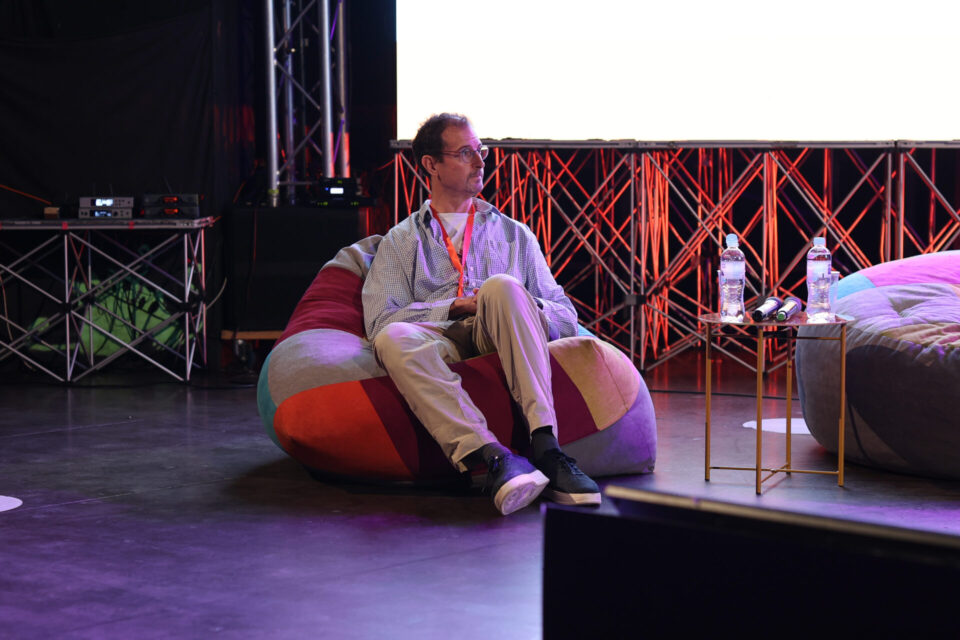
While practical verification skills remain important, Dmitri Teperik argued that media literacy must also address deeper cognitive processes. Drawing on his experience in security and resilience work, Teperik introduced the concepts of narrative literacy and future literacy, which he described as additional layers of protection against manipulation and cognitive warfare. “We wanted to address the operating system, not only the symptoms,” he said.
According to Teperik, narratives shape how people interpret reality by defining who the heroes, villains, victims and bystanders are within a particular story. Teaching citizens to recognize these frameworks helps them understand how information influences beliefs and decision-making.
He also stressed the importance of “future literacy” – the ability to imagine and construct one’s own vision of the future rather than accepting narratives imposed by political actors or hostile information campaigns. “Future literacy gives us agency back,” he said, arguing that citizens should understand that multiple futures are possible and that they can actively shape them.
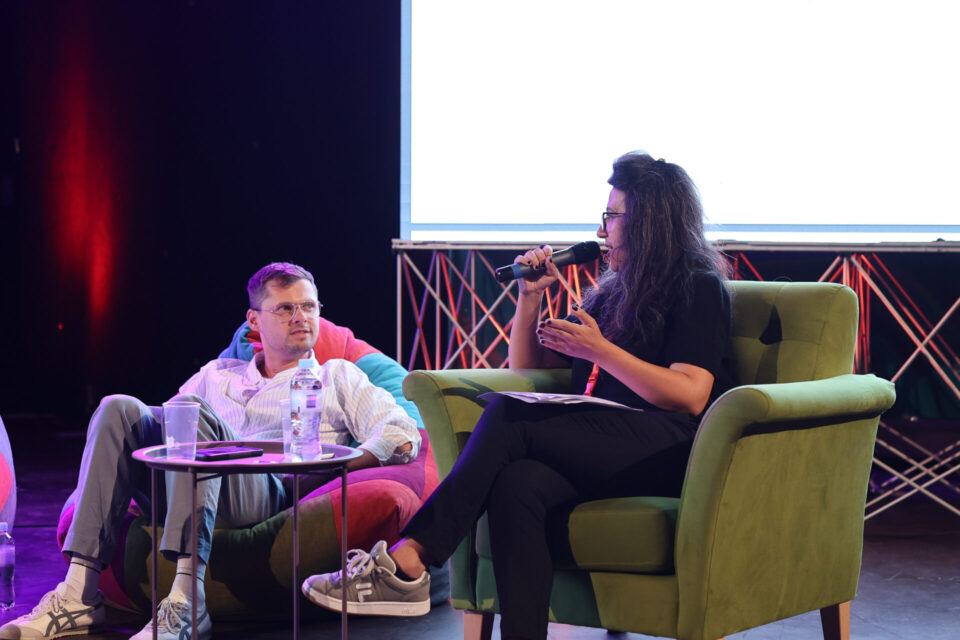
A recurring theme throughout the discussion was the need to counter feelings of helplessness and anxiety that often accompany conversations about disinformation. Jeremy Druker argued that media literacy initiatives should avoid reinforcing fear and instead focus on constructive engagement. “We don’t want to do even more harm,” he said. “We try to design our programs based less on the threat and more on offering people hopeful alternatives.” Drawing on the work in solutions journalism, Druker described how audiences often feel overwhelmed by the constant flow of negative news.He argued that journalism should continue exposing wrongdoing while also highlighting responses to social problems and examples of what works.
Teperik similarly warned against the normalization of fatalism in discussions about disinformation and geopolitical threats. He described community-based “participatory foresight” workshops in which citizens collectively imagine possible futures for their communities, helping restore a sense of agency and local ownership.
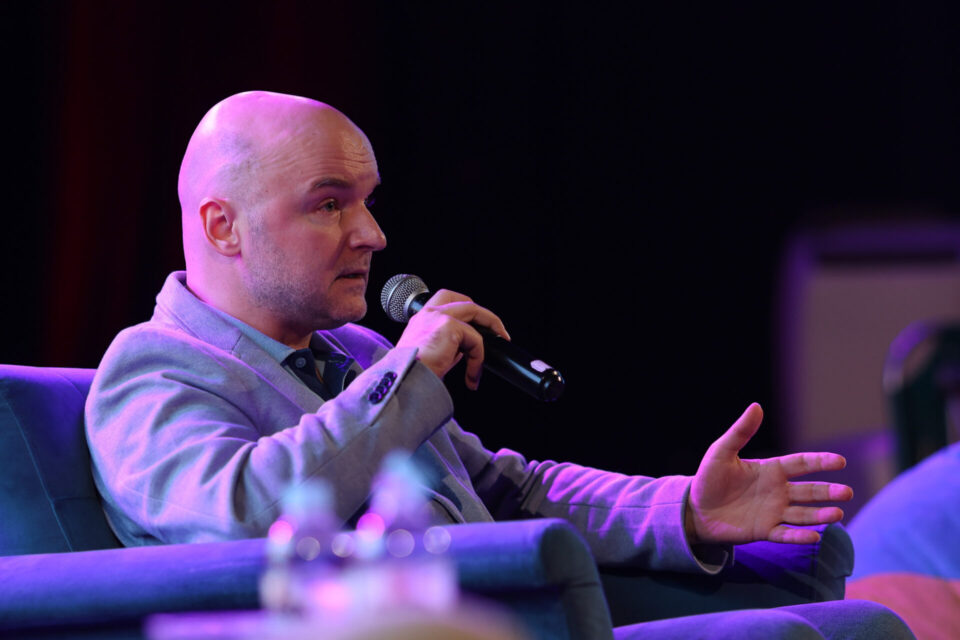
Asked what media literacy might look like in the coming years, the panelists offered different but complementary visions. Lemaître-El Jammal expressed hope that media literacy would eventually become a standalone subject within formal education systems. Skirius emphasized the importance of giving schools enough autonomy to adopt innovative programs developed by civil society organizations. Teperik argued that Europe needs media-literate citizens not only to identify false information but also to strengthen democratic resilience, social cohesion and a sense of belonging. Druker pointed to growing efforts by news organizations to engage directly with communities and rebuild public trust.
Author: Amar Karađuz / Photo: Almin Tabak
(point.zastone.ba)